
If you’re reading this and you haven’t seen Parasite, I encourage you to stop reading and find a way to do so immediately. There are very few films out there that not only manage to be endlessly rewatchable but can blend so many genres and ideas without over-complicating themselves. From top to bottom, it’s a masterpiece of not only South Korean cinema but cinema as a whole. I can’t say enough good things about it.
Despite that, this post isn’t meant to be a review of Parasite. There are many reviewers and analysts out there who have already said far more interesting things about this film than I will ever be able to. Instead, I’d like to talk about a recent incident involving one of the main actors featured in the film. I feel that it’s a story that deserved more attention than it got in the West, as well as another good example of how dangerous cancel culture is.
I don’t need to introduce cancel culture, so let me introduce the actor I’m referring to. Lee Sun-kyun was a well-known actor in South Korea, having starred in many acclaimed Korean dramas and movies, although most know him as Dong-ik from Parasite. His performance in the movie has always been underappreciated in my opinion, but that’s beside the point. Late last year, Lee was involved in a scandal involving alleged drug usage and an affair with a hostess in South Korea. Due to the high expectations placed on public figures by South Korean society, many were quick to judge him as a drug abuser and a cheater, despite no evidence being found for the former.
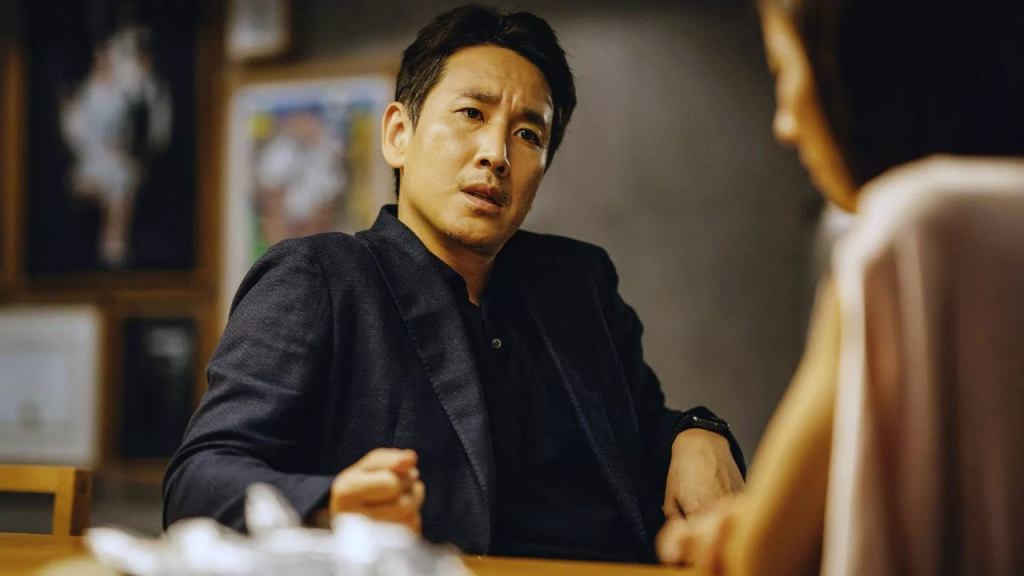
Unfortunately, Lee was found dead in a park at the end of December. He had committed suicide due to his public image and career being ruined, a fate that he shares with numerous other South Korean actors and influencers. Since his death, the media and police have come under heavy scrutiny, with Bong Joon-ho, Parasite’s director, demanding a full inquiry into the media’s role in Lee’s death. As he should, might I add.
Now, two things can be true at the same time. On one hand, Lee Sun-kyun may have indeed cheated on his wife, and that is something that he absolutely should not have done. It goes against the moral values of not only South Korea but the general world at large, not to mention the Bible. On the other hand, his suicide was a forced error due to the media declaring him guilty without a proper trial. We’ve seen this in North America, especially in Hollywood, over the last few years. While the MeToo movement did help out some powerful perverts like Harvey Weinstein and Bill Cosby, it also irreparably changed how society looks at allegations of improper behavior.
It’s not a stretch to say that the average internet user nowadays thinks with a “guilty until proven innocent” mindset whenever they see a scandal or an accusation levied towards someone. I don’t need to go into detail to tell you why that’s a bad thing. While our emotions are both valid and important, we as human beings need to keep them in check, and it’s not very smart of us to rush to conclusions whenever we hear that someone has allegedly done something bad. False accusations can and have happened, and we always need to be conscious of what we’re reading or seeing. It can have serious consequences, as Lee’s suicide has shown us. He never should have been put in that situation, and his story should serve as a lesson for all of us going forward.

While I could go on, I feel like I’ve said enough about this. Everyone knows that cancel culture is toxic for society and that we shouldn’t participate in it. We obviously can’t expect everyone to follow that rule, but we can do more to make sure that things like these don’t happen. Having a clear mind, and doing proper research will not only be better for society, but it’ll also be better for those accused of doing things they may or may not have done. If they did do them, then send them to where they need to go. If not, then they can walk free. Enough said.
That’s all for now.
 I Wrote A Thing