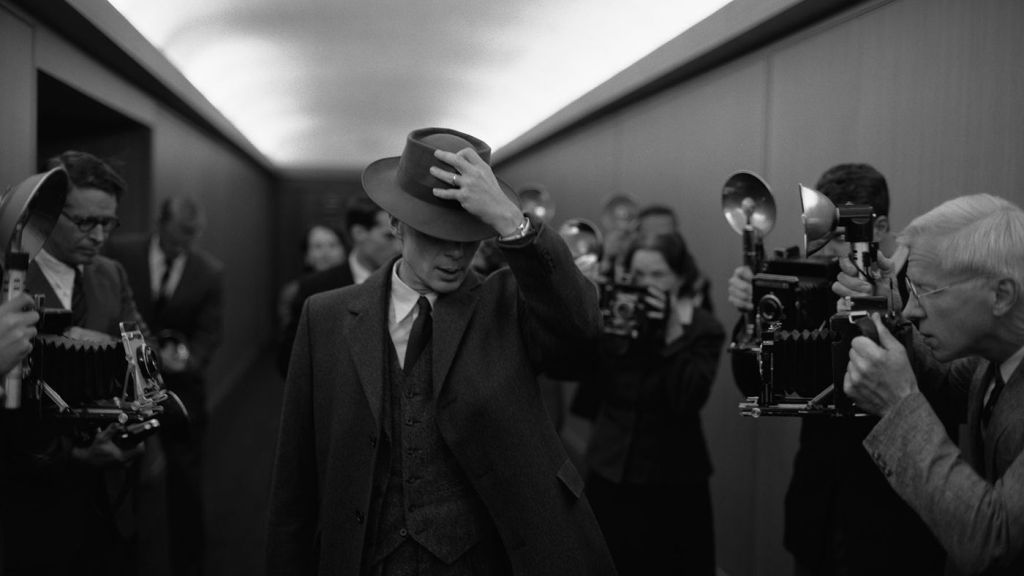
Remember the Barbenheimer thing from earlier this year? I know, hard to forget. It’s one of those things that people will look back on in a few years and laugh about, and for good reason. It gave people a reason to get outside and finally go back to the theaters, a fun event we could all connect over. Many saw both movies, and even though it took me quite a few months to finally do it, I finally watched Barbie after already seeing Oppenheimer in IMAX. It was ok, I suppose. A bit too feminist for me, but I did like the humor and acting.
Oppenheimer, in the meantime, is without a doubt my favorite movie of the year. Everything about it is fantastic, from the superb screenwriting all the way to the ensemble cast. While it’s not my favorite Nolan movie, it took hold of a permanent spot in the top 3 after my second viewing. The Dark Knight is still my favorite, as I’m sure is it for most.
Asides from all of that, there is one part of the movie which I simply cannot agree with, and that’s the genre. Wikipedia describes it an “epic biographical thriller film”, and while that is largely true, I would argue that you could swap “thriller” with “horror” and still convey the same message. I think that while Oppenheimer is a great biography about one of the most interesting men God has ever created, it is also an absolutely terrifying look into the inner workings of WWII and the world as a whole.
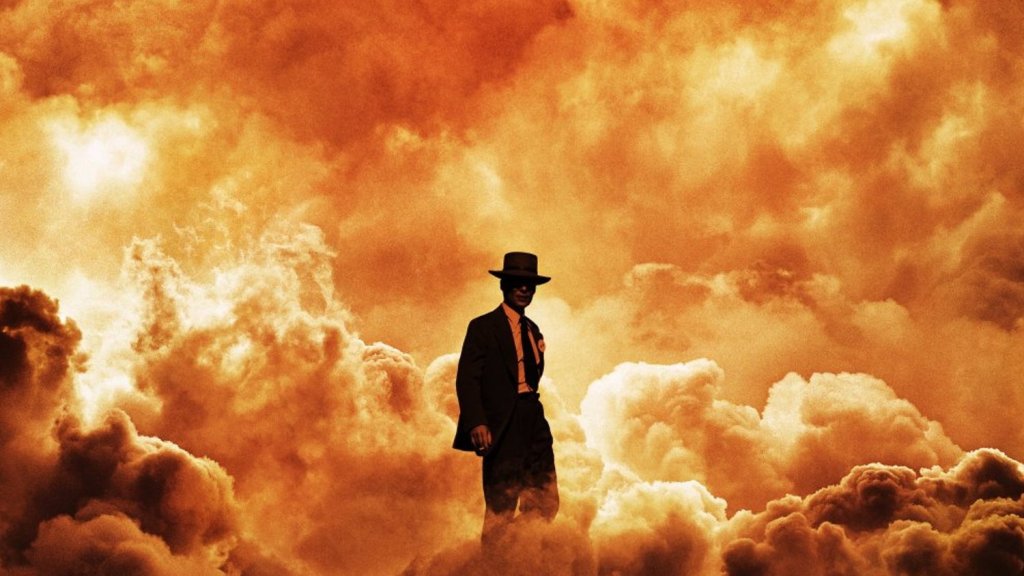
Before I give a couple examples of why I think Oppenheimer should be classified as a horror movie, Christopher Nolan himself has even said that it can be interpreted as one. In an interview done in June, Nolan stressed the “element of fear that’s there in the history and there in the underpinnings”, and how test audiences had visceral reactions to the film and couldn’t speak afterwards. While I didn’t feel sick to my stomach after seeing it, I was definitely shook for a while afterwards. I wondered for days about Oppenheimer’s legacy, the point of the bomb, and how he was railroaded by the US government. I would get more into my thoughts about all of that, but that’s not the point I’m trying to make.
Going back to the horror angle, there are many parts scattered throughout the movie which are overtly horror-esque, usually in a psychological sense. The main one that people tend to talk about is the scene where Oppenheimer gives a speech to his coworkers at Los Alamos after Japan is bombed, where he hallucinates burning corpses and painful screaming. While that’s obviously disturbing, I don’t think that’s anywhere near the scariest part of the movie. Instead, the horror I’m talking comes from the subject matter that the film depicts, and what it potentially means for all of us.
Compared to some slasher like Michael Myers, a nuclear weapon is a very real thing that can cause very real devastation, whether it be physical or emotional. In the film, we see how many of the scientists who worked on the project were visibly upset with participating in it, and were emotionally drained after the Trinity test. Equally unsettling were the reactions of the American population and then-president Truman, who only cared about getting back at the Japanese and ending the war via any means necessary. I know that war is brutal and ugly, but it’s pretty crazy to look back on it and see just how welcoming people were to the idea of creating something so devastating. A good example is when Truman mocks Oppenheimer for feeling guilt over Hiroshima and Nagasaki, and refers to him as a crybaby as he leaves his office. Opinions on Oppenheimer as a person aside, that scene shows how little regard people like Truman had for morals or ethics. Scary when you consider the position he held.

The ending scene is also quite chilling, while also remaining relevant. We’re shown a conversation between Oppenheimer and Albert Einstein, in which the former expresses sadness about his creation, and his belief that his actions started a chain reaction which will eventually destroy the world. While I personally don’t think we will ever see a full-scale nuclear war on this planet, I’d be lying if I said I wasn’t concerned about the possibility of major cities being targeted by enemy countries.
In my last post, I highlighted the dangers of Iran having nuclear capabilities, and how that could spark WWIII with the always-escalating conflict in Gaza. Truman might have been cold and unfeeling, but Khamenei is a danger to everyone around him. He would not hesitate to send a missile or two directly at Israel, and if war truly broke out, maybe even New York or LA. While the world ultimately benefited in the short term from the Americans developing the bomb before Nazi Germany did, we’re now seeing that aforementioned chain reaction really start to reach its crescendo. It’s hard not to blame Oppenheimer and his associates for that, but at the same time, what difference does it make? They’re all long gone, and now we have to navigate this mess ourselves.
With all that being said, Oppenheimer remains a must-watch movie for those who have time and a good stomach. Everything I outlined above is meant to be taken an endorsement of the movie, while also a subjective look at the themes it presents. It’s a frightening watch, one I will definitely not forget for quite some time, and definitely one of the better movies of the decade so far. In the meantime, let’s try not to blow the world up. I doubt God will even allow it in the first place.
 I Wrote A Thing